The Long Island Iced Tea is one of the most iconic cocktails in the world — and one of the most misunderstood. It contains no iced tea whatsoever, brings together 5 different spirits in a single glass, and was born out of necessity during one of America's most turbulent eras. Here's everything you need to know to make the real version at home.
Its name is a lie. A charming, well-executed lie, but a lie nonetheless. The Long Island Iced Tea looks like a glass of iced tea, smells faintly sweet and citrusy, and goes down surprisingly easy — which is exactly the point. Behind that innocent amber appearance hides a cocktail that bartenders themselves describe as "corsé," a French word that translates roughly to bold, full-bodied, and not for the faint of heart.
And if you're planning a relaxed evening at home with something a little more interesting than your usual drink, this recipe is worth mastering properly.
The surprising history behind the Long Island Iced Tea
The story starts in the 1920s, during Prohibition — the period when the U.S. government banned the production and sale of alcoholic beverages across the country. Bar patrons and underground bartenders didn't stop drinking. They got creative.
The trick was simple: mix bootleg spirits together, top with cola, and the result looked convincingly like a glass of iced tea. Authorities were less likely to confiscate what appeared to be a soft drink. The cocktail was born not from culinary ambition but from pure necessity and a healthy dose of defiance.
Long Island, located near New York, is credited as the geographic birthplace of this drink. The name stuck, and over the decades, what started as a clandestine workaround became one of the most ordered cocktails at bars worldwide.
Despite its name, the Long Island Iced Tea contains absolutely no tea — iced or otherwise. The cola and lemon juice create a color and appearance that mimics the drink, but the similarity stops there.
What goes into a Long Island Iced Tea: the complete ingredient list
This is where the cocktail earns its reputation. Most drinks lean on one or two base spirits. The Long Island Iced Tea uses five. That's not a typo — five different alcohols, all in the same glass, balanced by citrus and sweetness so that none of them completely dominates.
The five spirits and supporting ingredients
The traditional recipe calls for:
- 2 cl of gin
- 2 cl of tequila
- 2 cl of vodka
- 2 cl of white rum
- Triple sec (an orange-flavored liqueur that acts as the fifth spirit)
- Sirop de sucre de canne (cane sugar syrup, for sweetness)
- 3 cl of fresh lemon juice
- 10 cl of cola
- 1 slice of lime for decoration
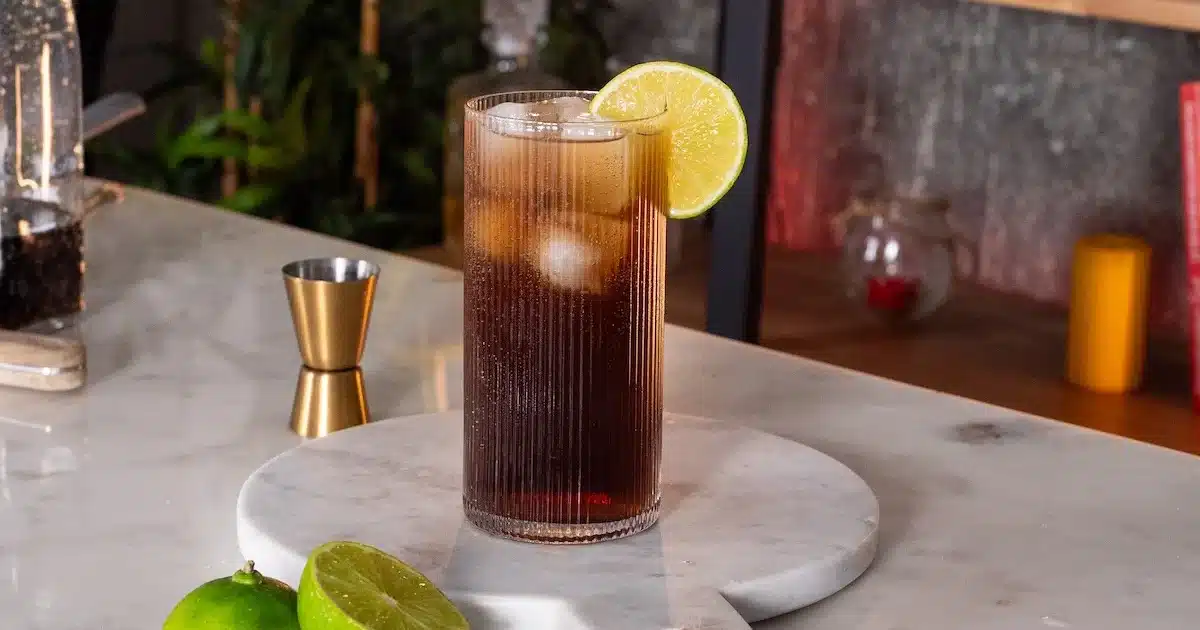
The four white spirits — gin, tequila, vodka, and white rum — form the backbone. Triple sec adds a subtle orange note and rounds out the flavor profile. The lemon juice brings acidity that cuts through the alcohol, and the cola provides that signature amber color along with a touch of sweetness and fizz. The lime slice on the rim is the final visual touch that makes the drink look as polished as it tastes.
Why the balance matters in this cocktail recipe
What makes the Long Island Iced Tea work — rather than just tasting like a glass of mixed spirits — is the proportion between the alcoholic elements and the acidic, sweet components. The 3 cl of lemon juice and the cola aren't afterthoughts. They're doing real structural work, softening the edges of five different spirits and pulling them into something cohesive.
Skip the lemon juice or reduce the cola, and the drink becomes harsh. Get the balance right, and it's genuinely smooth — deceptively so.
How to make a Long Island Iced Tea at home, step by step
The good news: you don't need a professional bar setup to make this properly. A tall glass, plenty of ice, and the right ingredients are all it takes.
Use fresh lemon juice rather than bottled — the difference in flavor is significant. And don’t be stingy with the ice. A well-chilled glass is part of what makes this cocktail work.
Start by filling a tall glass generously with ice cubes. The drink should be served very cold, so the more ice, the better. Pour in the gin, tequila, vodka, white rum, and lemon juice directly over the ice. Stir gently — the goal is to combine the spirits without losing too much carbonation before the cola is added.
Then pour in the cola slowly, letting it settle over the other ingredients rather than splashing it in. Stir once more, lightly. Finish with the lime slice on the rim of the glass and serve immediately.
That's it. The whole process takes under five minutes, which makes it a surprisingly practical option when you're hosting or just want something more interesting than a glass of wine. If you enjoy making drinks and food at home, recipes like a quick comforting dinner or even easy no-fuss desserts pair naturally with an evening built around this kind of cocktail.
different spirits in a single Long Island Iced Tea
A bold drink that deserves respect
The Long Island Iced Tea has a reputation for being dangerously drinkable. It goes down smoothly, looks harmless, and carries none of the visual warning signs of a strong cocktail. But with four full measures of white spirits plus triple sec, the alcohol content is genuinely high. Bartenders and recipe sources alike classify it as a bold, full-bodied drink — not something to consume quickly or in large quantities.
Moderation isn't just a disclaimer here. The cocktail's whole origin story is built on disguise — and part of that disguise is how easy it is to underestimate. Serve it with plenty of ice, take your time with it, and it's a genuinely rewarding drink to make and enjoy at home.
For those who love the idea of recreating bar-quality experiences without leaving the house, the Long Island Iced Tea fits right alongside other indulgent homemade classics — recipes that feel special precisely because you made them yourself. And if you're looking to balance the evening with something lighter, detox-friendly recipes are always an option for the day after.