
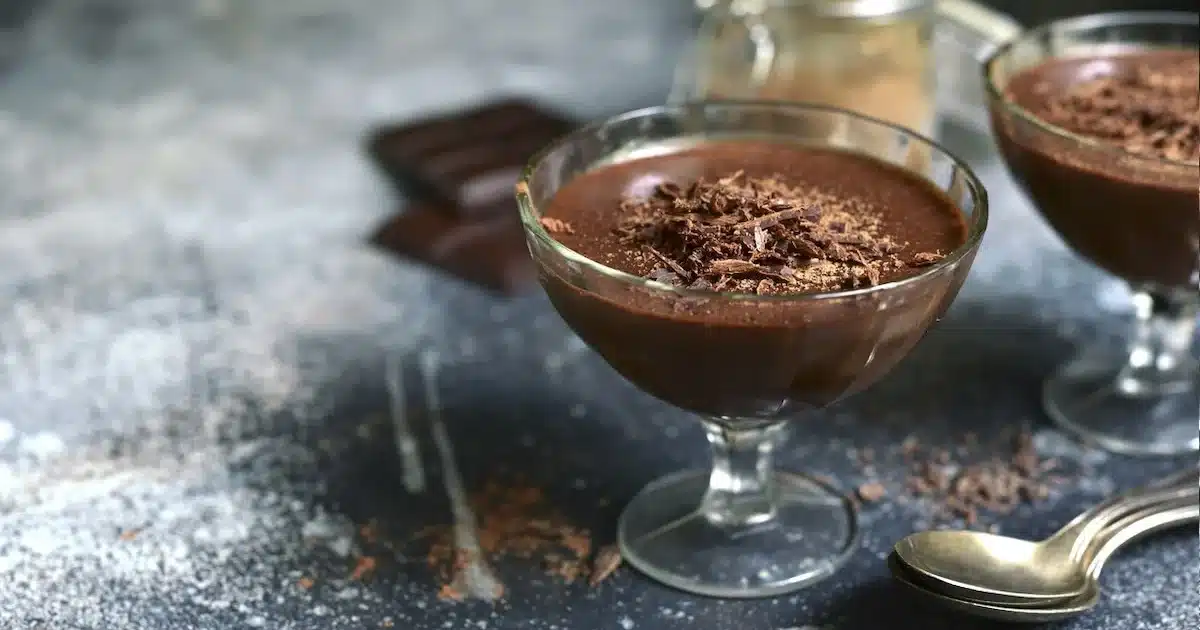
Chocolate mousse with only 3 ingredients is one of those French classics that sounds far more complicated than it actually is. With 200 g of dark chocolate, 4 eggs, and a pinch of salt, you get a dessert that is simultaneously airy, rich, and ready in under 10 minutes of active prep time.
French pastry has a reputation for demanding precision, specialized equipment, and years of training. But this 3-ingredient chocolate mousse blows that myth apart completely. No oven, no cream, no sugar required. Just chocolate, eggs, and a little patience while the fridge does the work. And the result? A mousse that is genuinely light and intensely chocolatey at the same time.
If you're the kind of person who wants a quick chocolate dessert without the stress, this recipe belongs in your regular rotation.
The 3 ingredients that make it work
The beauty of this recipe is its radical simplicity. Three ingredients, zero shortcuts on flavor.
Dark chocolate as the foundation
200 g of dark dessert chocolate is the backbone of the entire mousse. The quality and intensity of the chocolate you choose directly determines the depth of flavor in the final dessert. A 70% cocoa bar will produce a more bitter, sophisticated result. A 50-55% option gives a milder, crowd-pleasing profile. Both work. The key is using proper dessert chocolate, not a snacking bar, because the cocoa butter content affects how smoothly it melts and how well it binds with the eggs.
Eggs: the only structure you need
4 eggs do everything here. The yolks enrich the melted chocolate, adding body and a subtle creaminess. The whites, beaten to stiff peaks with 1 pinch of salt, are what transform a dense ganache-like base into a genuinely airy mousse. That salt is not optional. It stabilizes the foam and subtly amplifies the chocolate flavor.
For a vegan version, replace the egg whites with aquafaba — the liquid from a can of chickpeas. It whips up into stiff peaks just like egg whites, with a comparable result in texture and lightness.
How to make this easy chocolate mousse in 4 steps
The entire active process takes less than 10 minutes. The waiting is the hardest part.
Melting and mixing
Start by melting the 200 g of dark chocolate until smooth and glossy. A bain-marie (a heatproof bowl set over a pan of simmering water) gives you the most control and prevents the chocolate from seizing. A microwave works too, in short 30-second bursts, stirring between each interval. Once the chocolate is fluid and shiny, remove it from the heat and let it cool slightly before adding the eggs.
Separate the 4 eggs, keeping yolks and whites in two clean bowls. Add the yolks to the warm chocolate one by one, mixing thoroughly after each addition. The mixture will thicken slightly and turn glossy.
Folding in the whites
Add the pinch of salt to the egg whites and beat them to firm, glossy peaks. This is the step that defines the texture of your mousse. Under-beaten whites will give you a denser result. Over-beaten whites become grainy and collapse when folded.
Once the whites are ready, incorporate them into the chocolate mixture using a maryse (rubber spatula) in slow, deliberate folding motions. Work from the bottom of the bowl upward, rotating as you go. The goal is to keep as much air in the whites as possible. Rushing this step deflates the mousse before it even sets.
Chilling and serving
Divide the mousse into individual verrines, small cups, or a single large serving dish for a family-style presentation. Cover and refrigerate for a minimum of 2 hours. The mousse firms up as the chocolate sets and the air bubbles stabilize.
minimum chilling time for a perfectly set chocolate mousse
Preparing the mousse the evening before is genuinely the smartest move. It saves time on the day of serving and actually improves the texture, giving the flavors time to meld and the structure time to fully set.
Variations to personalize your homemade chocolate mousse
This three-ingredient base is intentionally minimal, which makes it an ideal canvas for customization.
Playing with chocolate intensity
Swapping the type of chocolate is the easiest way to shift the character of the dessert. Milk chocolate produces a sweeter, more caramel-forward mousse. Dark chocolate at 85% or higher delivers an almost bitter intensity that pairs beautifully with a tiny spoonful of sea salt flakes on top. You can even combine two types for a layered flavor profile.
Sugar is entirely optional here. The natural sweetness of the chocolate is often enough, especially with a mid-range cocoa percentage. But if you prefer a sweeter mousse, a tablespoon of powdered sugar can be whisked into the yolks before adding them to the chocolate.
Adding flavors and toppings
The mousse welcomes additions without resistance. A shot of strong espresso stirred into the melted chocolate amplifies the cocoa notes without tasting overtly of coffee. A pinch of ground cinnamon or cardamom adds warmth. Orange zest brings brightness. Crushed hazelnuts, toasted almonds, or a scattering of fresh raspberries on top add texture and contrast.
For anyone who loves playing with chocolate in desserts, this mousse pairs well with the same spirit behind a rich chocolate and walnut brownie or even a fudgy brownie made with leftover chocolate. The same rule applies across all of them: good chocolate in, good dessert out.
- Only 3 ingredients, no baking required
- Ready to serve in under 10 minutes of prep
- Works as individual portions or a family-style dessert
- Easily adaptable with flavor additions or vegan substitutes
- Can be made the night before
- Requires at least 2 hours of chilling time
- Uses raw egg whites (not suitable for everyone)
- Texture depends heavily on proper folding technique
Storing and serving your chocolate mousse
Once set, the mousse keeps well in the refrigerator for up to 24-48 hours, covered with plastic wrap or a lid to prevent it from absorbing other flavors or drying out on the surface. Serve it straight from the fridge, cold and firm.
For a complete dessert experience, this mousse pairs naturally with other no-fuss French-inspired sweets. If you enjoy indulgent desserts that blur the line between classics, the same philosophy applies here: minimal ingredients, maximum satisfaction, no professional kitchen required. The mousse is proof that restraint in a recipe can produce something genuinely extraordinary.