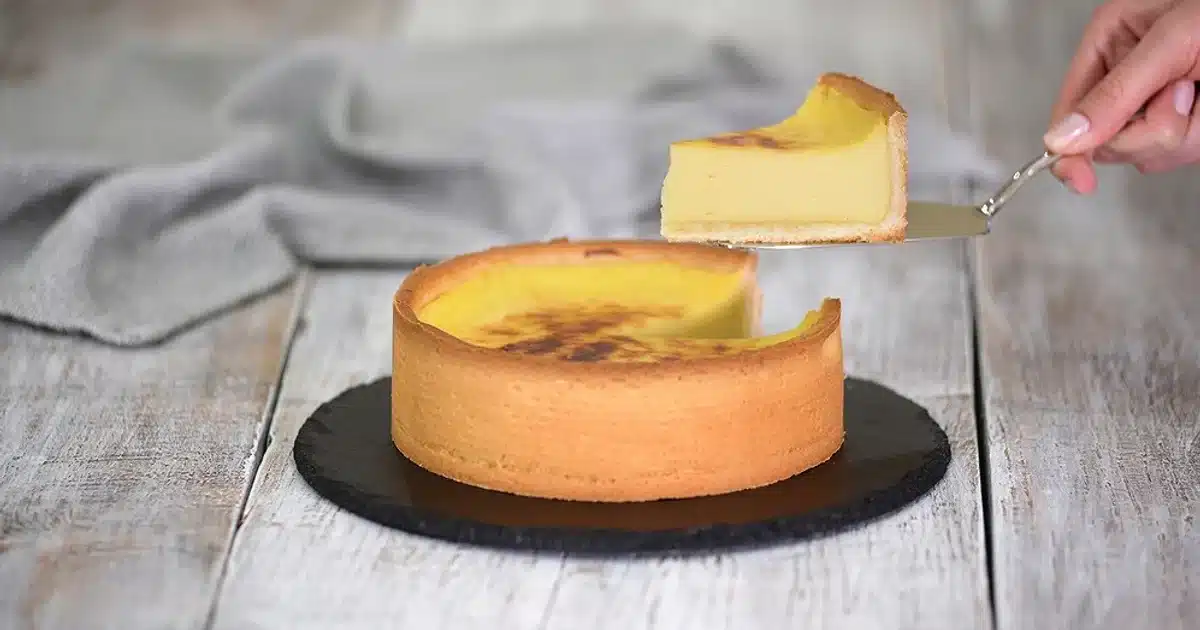
A golden, creamy homemade pastry custard tart that rivals anything you'd find behind a bakery counter is not a fantasy. With the right technique and a little patience, the flan parisien is absolutely within reach for any home cook.
Few French desserts carry as much nostalgia as the pastry custard tart. That thick, wobbling custard filling, the lightly caramelized top, the crisp golden crust — it's a classic of the French bakery tradition that somehow intimidates people at home. But it doesn't have to. Mastering a homemade flan parisien comes down to five key steps, and none of them require professional training.
Choosing the right pan makes all the difference
The foundation of a great custard tart starts before you even think about ingredients. The pan you choose directly affects the crust-to-filling ratio and how evenly your flan bakes. A deep, straight-sided mold, typically around 20 to 22 cm in diameter, gives you that signature thick slice that bakeries are known for. Shallow tart pans produce a flatter result that lacks the visual impact and textural contrast of the real thing.
Opt for a metal or dark-coated pan when possible. These materials absorb heat more efficiently than ceramic or glass, helping the bottom crust crisp up properly rather than staying pale and soft. And don't skip the parchment paper lining — it makes unmolding clean and easy, which matters when you're dealing with a delicate custard filling that needs to stay intact.
A dark-coated metal pan conducts heat more evenly than a light or ceramic dish, helping you achieve a properly browned bottom crust — one of the hallmarks of a bakery-quality flan parisien.
The pastry base deserves as much attention as the filling
Shortcrust vs. puff pastry for a custard tart
There are two classic options for the crust of a homemade custard tart: shortcrust pastry (pâte brisée) and puff pastry (pâte feuilletée). Shortcrust gives a firmer, more neutral base that holds up well under the weight of the custard. Puff pastry creates a lighter, flakier result with more texture on the sides. Both are legitimate — the choice depends on the finish you prefer.
How to line the pan without shrinkage
Whatever pastry you use, the technique for lining the pan matters. Press the dough gently but firmly into the edges without stretching it. Stretching is the main reason crusts shrink during baking. Let the dough rest in the refrigerator for at least 30 minutes after lining before adding the filling. This relaxes the gluten and dramatically reduces shrinkage. Blind baking the base for a few minutes before adding the custard also helps prevent the dreaded soggy bottom.
If you enjoy baking from scratch, the same principle of respecting resting time applies to other doughs — it's the kind of detail that separates a good result from a great one, whether you're making a tart or fluffy homemade pancakes.
Working the custard cream to a silky finish
The right ratio of eggs, milk, and cream
The custard filling is the heart of the flan parisien, and its quality depends entirely on the balance of ingredients. A classic recipe uses whole milk, heavy cream, eggs (or egg yolks), sugar, and cornstarch. The cornstarch is non-negotiable — it provides the structure that keeps the filling set but still creamy, not rubbery. Too little and the flan won't hold its shape when sliced. Too much and the texture becomes starchy and dense.
Using a combination of whole eggs and egg yolks gives a richer, more golden custard. The yolks bring fat and color, the whites add structure. Heating the milk and cream before incorporating them into the egg mixture (a technique called tempering) prevents the eggs from scrambling and creates a smoother, more homogeneous cream.
Vanilla and flavor variations
Vanilla is the traditional flavoring, and a real vanilla bean split and infused in the warm milk makes a noticeable difference compared to extract. The tiny black seeds distributed throughout the custard are also a visual marker of quality — something home bakers can absolutely achieve. That said, some variations use tonka bean or a hint of orange zest for a more personal touch.
verified reviews for the crustless flan parisien recipe — one of the most popular variations among home bakers
Resting time is not optional
One of the most common mistakes with a homemade flan is cutting into it too soon. The custard needs time to fully set after baking, and that means cooling completely at room temperature before refrigerating for several hours — ideally overnight. The filling continues to firm up as it cools, and rushing this step results in a filling that's too soft to slice cleanly.
This resting phase also allows the flavors to develop and meld. A flan eaten straight from the oven is nothing like a flan that has rested properly. The difference is significant enough that patience here is genuinely rewarded. Think of it the same way you'd approach a rich chocolate dessert — timing and temperature are everything.
Mastering the bake for that signature caramelized top
Temperature and timing for a perfect custard tart
Baking a pastry custard tart requires a relatively high oven temperature — around 180°C to 200°C (350°F to 390°F). This is what creates the characteristic dark spots and slightly blistered surface that signals a properly baked flan. Many home bakers pull the tart out too early, fearing it's burnt, but those dark caramelized patches on top are exactly what you're aiming for.
The baking time typically runs between 45 and 60 minutes, depending on the depth of the filling and your oven. The flan is done when the edges are fully set but the center still has a slight wobble — similar to how a cheesecake behaves. It will firm up completely during the resting phase.
Avoiding common baking mistakes
Uneven baking is usually caused by an oven that runs hot in certain spots. Rotating the pan halfway through baking helps. If the top is browning too fast before the center is set, a loose piece of foil placed over the top (without pressing down) can slow the caramelization without stopping it entirely.
The result, when everything comes together, is a homemade flan parisien that is as beautiful as it is delicious — golden on top, creamy inside, with a crust that holds its shape down to the last slice. Described by bakers as "worthy of the pros," this dessert is genuinely achievable for anyone willing to follow these steps carefully. And if you're looking to expand your homemade dessert repertoire beyond custard tarts, easy quick desserts and 3-ingredient desserts are worth exploring for those moments when you want something sweet without the full commitment.