
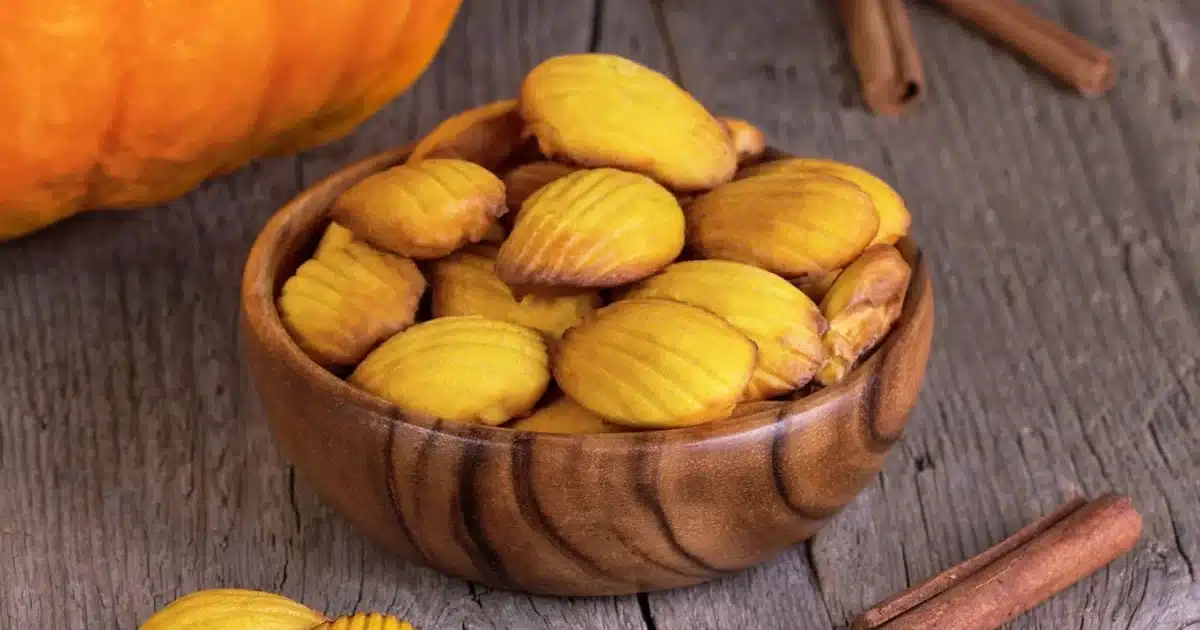
Fragrant madeleines with pumpkin purée and warm spices are the ultimate winter family snack: soft, perfectly humped, and ready in under an hour. The secret lies in one unexpected ingredient, one classic technique, and a little patience in the fridge.
When the cold settles in and the days shorten, the kitchen becomes a refuge. These pumpkin spice madeleines bring together everything a winter afternoon snack should be: warmth, softness, and the kind of smell that fills the whole house. And unlike many baking recipes that demand precision and experience, this one is genuinely approachable, even with children around.
The base is classic French madeleine batter, but the addition of 120 g of pumpkin purée transforms the texture and flavor entirely. Think less teatime delicacy, more cozy fireside treat.
The thermal shock trick that gives madeleines their signature hump
Ask any pastry chef what separates a flat, disappointing madeleine from one with a proud, rounded bump, and the answer is always the same: thermal shock. The contrast between ice-cold batter and a blazing hot oven is what causes the rapid rise that creates that iconic shape.
How the cold rest works
After mixing the batter, it goes straight into the refrigerator for a minimum of 30 minutes. This rest period does two things. First, it firms up the fat in the batter, slowing the initial spread when it hits the heat. Second, it allows the gluten to relax slightly, which contributes to a more tender crumb. Skipping this step is the single most common reason homemade madeleines come out flat and dense.
The oven temperature sequence
Preheat the oven to 210°C. Once the batter goes in, immediately drop the temperature to 180°C. That initial blast of intense heat triggers the rapid rise before the exterior sets, locking in the hump. The madeleines then bake gently for 10 to 12 minutes until golden and springy to the touch. No guesswork, no opening the oven door mid-bake.
If you skip the cold rest or place the batter in an oven that hasn’t fully preheated, the thermal shock won’t happen and your madeleines will bake flat. Both steps are non-negotiable.
The pumpkin purée that makes these madeleines extra soft
Potimarron (red kuri squash) is the star ingredient here. Its flesh is naturally dense and slightly sweet, making it ideal for baking. But how you cook it matters enormously.
Steam, never boil
Cooking the squash in boiling water saturates the flesh with moisture, producing a watery purée that throws off the entire batter balance. Steam cooking preserves the natural density of the flesh. Once tender, simply mash it with a fork or a potato masher until smooth. No blender needed, no added liquid.
The 120 g of purée integrates directly into the batter after the eggs and sugar have been whisked together, contributing both moisture and a subtle earthiness that pairs beautifully with the spices.
Building the spiced batter step by step
The full ingredient list for this recipe:
- 2 eggs
- 100 g unrefined blonde sugar
- 120 g wheat flour
- ½ sachet baking powder
- 75 g salted butter, melted
- 120 g steamed pumpkin purée
- 1 teaspoon ground cinnamon
- 1 pinch freshly grated nutmeg
Start by whisking the eggs with the sugar until the mixture turns pale, light, and slightly foamy. This step, known as blanchir, incorporates air and creates the foundation of the soft crumb. Sift together the flour, baking powder, cinnamon, and nutmeg before folding them in gently. Add the pumpkin purée, then finish with the melted demi-sel butter. The key at this stage: mix only until just combined. Overworking the batter develops the gluten too much and destroys the light texture you've been building.
Butter the madeleine molds, fill each one three-quarters full, and refrigerate for at least 30 minutes before baking.
minimum cold rest required for the perfect madeleine hump
Flavor variations and serving ideas for the whole family
One of the quiet pleasures of this recipe is how easily it adapts. The base spice profile, cinnamon and nutmeg, delivers a classic warm-spiced flavor that works for everyone. But a few simple swaps open up entirely different directions.
Replace the nutmeg with vanilla for a gentler, more delicate result that younger children tend to prefer. Swap it for ginger instead and the flavor becomes sharper and more aromatic. For added texture, fold in a small handful of crushed hazelnuts, chocolate chips, or candied orange peel just before filling the molds. These additions don't require any adjustment to the base recipe.
If you enjoy baking soft treats for the whole family, these chocolate chip muffins with banana follow a similarly simple and satisfying method, and they're just as good with kids involved in the process.
Once baked, let the madeleines cool on a wire rack before storing them in an airtight container. They keep well for up to 3 days without drying out. And if they do lose a little of their softness by day two, a few seconds in the microwave brings them right back.
For serving, these winter madeleines are made for pairing with something warm. A proper homemade hot chocolate made from real chocolate rather than cocoa powder is the obvious match. A chai latte works just as well, leaning into the same cinnamon and spice notes already in the madeleines. Picture the scene: a plate of golden, fragrant madeleines, a steaming mug, and a fireplace. That's the whole point.
Cold batter plus a very hot oven equals the perfect hump. Steam your pumpkin rather than boiling it. Don’t overmix after adding the butter. These three rules are what separate truly soft, well-shaped madeleines from the rest.
And if you're building out a full snack spread, soft cookies with crispy edges make a great companion on the same plate. Both recipes are quick, both work with children, and both deliver that particular kind of satisfaction that only comes from baking something yourself on a cold afternoon.