The hot glass method softens butter in less than a minute, without a microwave and without melting it. Just one glass and hot water are enough to get perfectly workable softened butter, ready for cakes, cookies, or sablés.
Butter straight from the fridge is a real obstacle in the kitchen. You're ready to bake, the recipe calls for softened butter, and what you have is a cold, rock-hard block that tears through your dough instead of blending into it. The microwave seems like the obvious fix — but it almost always goes too far, turning butter into a puddle before you can stop it.
There's a better way, and it requires nothing more than a glass and some hot water.
The hot glass method: how it actually works
The principle is straightforward. Heat is transferred from the glass to the butter through contact, warming it gently and evenly from the outside in. Unlike a microwave, which blasts energy through the entire piece at once, the glass method works progressively. The butter softens without ever crossing the line into melting.
Step-by-step: softening butter in seconds
The process takes less than a minute from start to finish:
- Fill a glass with very hot water.
- Let it sit for a few seconds so the glass absorbs the heat.
- Empty the water out completely.
- Flip the warm glass upside down over your piece of butter.
- Wait, and let the residual heat do the work.
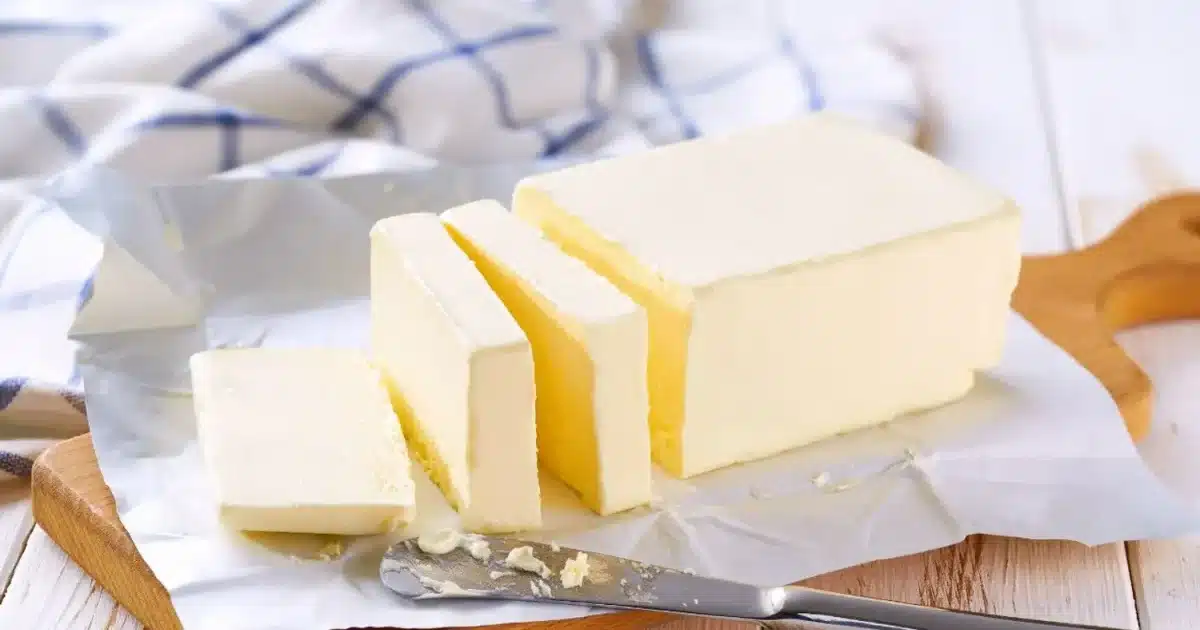
That's it. No special equipment, no timer to watch, no risk of accidentally liquefying your butter. Concrètement, you end up with beurre pommade — the French term for butter that's soft, smooth, and spreadable, with a consistency close to mayonnaise. It holds its structure but yields easily under a spatula or electric mixer.
Why texture matters so much in baking
Butter that's too hard won't incorporate properly into a dough. It creates uneven pockets, resists mixing, and can leave your cookies or sablés with a crumbly, uneven texture. Butter that's fully melted, on the other hand, changes the entire chemistry of a recipe. Fat coats flour differently when liquid, gluten develops differently, and the final baked good ends up denser or flatter than intended.
The sweet spot — softened butter at room temperature — is what allows air to be beaten in during creaming, giving cakes their lift and cookies their chew. If you've ever wondered why your homemade cookies didn't quite match the bakery version, the butter texture is often the culprit.
The glass method works best with a standard-sized drinking glass. A thicker glass retains heat longer, giving you slightly more working time before the warmth dissipates.
Beyond butter: the same trick works on other ingredients
The hot glass technique isn't limited to butter. Two other common kitchen ingredients respond just as well to gentle, indirect heat.
Crystallized honey is the first. Honey naturally solidifies over time, especially in cooler kitchens. Placing a jar in a bowl of hot water works, but it's slow. Applying a warm glass directly over a measured portion of crystallized honey speeds things up considerably, bringing it back to its fluid, pourable state in moments. This is particularly useful when you're adding honey to muffin batter, pancake recipes, or spreading it over warm biscuits.
White chocolate is the second. White chocolate is notoriously finicky when it comes to heat — it seizes up and turns grainy at temperatures that dark chocolate handles without issue. The glass method offers a gentler alternative to a double boiler for small quantities, softening the chocolate without the risk of scorching or splitting it.
to get perfectly softened butter using the hot glass method
Why this beats the microwave every time
The microwave has its place in the kitchen, but softening butter isn't one of its strengths. The problem is control — or the lack of it. Microwave heating is uneven and fast, which means the outside of the butter can be fully liquid while the center is still cold. Stop too early and it's still too firm. Go five seconds too long and it's melted.
Butter that's been microwaved into partial melting also changes in composition. The water and fat begin to separate slightly, and the emulsion that makes butter so useful in baking starts to break down. You can still use it, but the result in your yogurt cake or blueberry muffins won't be quite as reliable.
The hot glass method sidesteps all of this. The heat is indirect, mild, and brief. The butter warms to a workable consistency without losing its structure. And because the process is visible — you can see and feel the butter softening under the glass — you stay in control the entire time.
For recipes like sablés, cookies, or cake batters that require creamed butter, always aim for beurre pommade — soft enough to leave an indent when pressed, but firm enough to hold its shape. The glass method delivers this consistently, in under a minute, with zero equipment beyond what’s already in your cupboard.
The technique is one of those small adjustments that changes how you approach baking. No more planning ahead to leave butter on the counter for an hour. No more gambling with the microwave. One glass, a few seconds of hot water, and your butter is exactly where it needs to be.